Stacy Thayer, Ph.D., M.B.A.

Defense against burnout for security professionals
Security is a uniquely stressful industry.
· 83% of IT security professionals admit they or someone in their department has made errors due to burnout that have led to a security breach.*
· 85% say they anticipate they will leave their role due to burnout; 24% say they’ll leave cybersecurity entirely.
· 77% say stress levels at work directly affect their ability to keep customer data safe.
Your security engineers, developers, and managers need a partner that understands the realities they face on a daily basis.
Together we can solve the problems that lead to security industry burnout.
In the high-stakes world of cybersecurity, the pressure can be overwhelming, leading to significant burnout among your security professionals.
The cost of burnout extends beyond its human toll; it significantly impacts organizations by compromising security. Burnout can compromise attention to security procedures, potentially creating a heightened risk of breaches and can result in severe cybersecurity breaches, including insider threats.
As a specialized burnout consultant in the security industry, I understand the unique challenges your team faces.
My tailored approach combines industry-specific expertise with proven stress management strategies to create a healthier, more resilient workforce. By partnering with me, you’ll gain access to comprehensive assessments, targeted interventions, and ongoing support designed to reduce burnout, enhance productivity, and improve overall job satisfaction.
Let’s work together to safeguard not only your digital assets but also the well-being of the people who protect them.
Invest in your team’s health today, and ensure a stronger, more secure tomorrow.
Leadership Coaching & Training
Education for managers and leaders on how to recognize signs of burnout, support their teams effectively, and create a positive work environment that minimizes stress.
Policy & Process Improvement
Recommendations for changes to workplace policies and processes that contribute to burnout, such as improving workload distribution, enhancing work-life balance policies, and ensuring reasonable working hours.
Assessment & Diagnostics
Conduct surveys, interviews, and assessments to gauge the current levels of stress and burnout among employees, and identifying the primary sources of stress and burnout within the organization
Workplace Culture Analysis
Evaluation of the company culture to determine how it contributes to employee stress and burnout, and recommending changes to foster a healthier, more supportive work environment.
Team Dynamics Assessment
Comprehensive assessment of the interactions, relationships, and behaviors within a team in order to understand of how team members work together, communicate, and collaborate to achieve their goals
Ongoing Support & Monitoring
Provides continuous support to monitor progress, address ongoing issues, and make adjustments as needed to ensure long-term success in reducing burnout, the leading cause of attrition in security organizations.
About Stacy Thayer
Dr. Stacy Thayer is a cyberpsychologist who has over 20 years of experience working with professionals in the security industry (30, if you count going to 2600 meetings and calling BBSes as a teenager). In addition to her primary focus of burnout in the security industry, her research has explored job satisfaction in the technology sector and creating neurodivergent friendly work environments. She is passionate about creating a positive and thriving working environment that will help support individual strengths and successes.
Thayer is the host of the CyberPsych in Security podcast and manages the Cyberpsychology and Human Factors in Security Slack group. She is currently an Adjunct Professor of Cyberpsychology where she teaches Intro to Cyberpsychology, Security and Forensics, Human-Computer Interaction, and Virtuality. Prior to this, Thayer was the Founder of the Founder and Executive Director of SOURCE Security Conferences in Boston, Seattle, Barcelona, and Dublin before it was acquired in 2014.
Podcasts
Security Circle Podcast
EP 077 Dr Stacy Thayer, Cyberpsychologist: The study of how humans are interacting with technology
Redefining Society Podcast – Why Has Work-Related Burnout Become Such A Recurring Topic?
Work is defined as “an activity involving mental or physical effort done to achieve a purpose or result.” OK, but does it have to suck, being stressful, and burning people out? No! Let’s discuss this. Lately, at least in the cybersecurity and technology industry, talking about burnout has become a common topic. There are talks at conferences, some companies are addressing the issue, and plenty of articles in many newspapers and magazines. It certainly is not a new thing, but why do we talk more about it nowadays, and are we doing enough to address the issue? In this podcast, we welcome Stacy Thayer and open the conversation to a societal view. It is not just one industry problem but is something that may have deep roots in our society.
Neurodiversity in Cybersecurity
Neurodiverse people often struggle to be accepted in today’s world. Nathan Chung interviews Dr. Stacy Thayer, Organizational Development Consultant and Professor of CyberPsychology at the California Lutheran University. At Black Hat 2018 she led an amazing talk titled: How can Someone with Autism Specifically Enhance the Cyber Security Workforce? She shares how things having changed in Cybersecurity since then, along with her personal stories, and incredible insights into neurodiversity and challenges faced today. Listen and be inspired.
SANS Wait Just an Infosec – Applying the Science of Human Behavior to Cybersecurity
There are several attributes that tie the Applying psychological principles to educating end users about cybersecurity is nothing new; security awareness teams have long relied on behavioral science to influence best practices.
Speaking Engagements

Trying to be Everything to Everyone:
Let’s Talk About Burnout
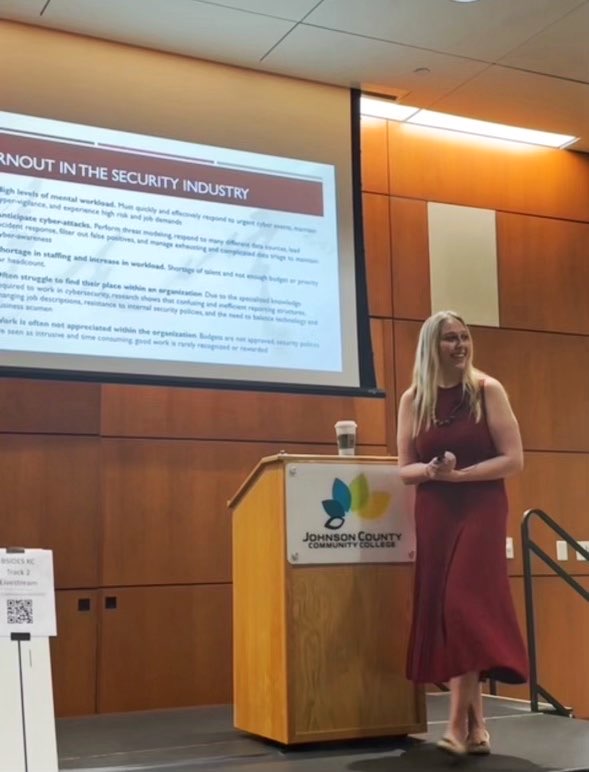
Research shows computer security professionals describe the computer security industry as a high-risk yet high-reward profession with negative effects on the workforce. There is an estimated 805,000 computer security professionals working in the US, but meeting the business demand for computer security professionals would require 62% industry growth. This leaves those in the field understaffed and highly stressed, ultimately leading to burnout. Stress and burnout can lead to mental fatigue, which can negatively impact motivation and engagement. It can also cause diminishing focus and performance levels, and have a negative impact on operational security, satisfaction, and performance, both in the office and at home. This talk will discuss the existing research on burnout in the computer security industry and will discuss what really causes burnout, why it happens, and what you can do to mitigate it, including setting healthy boundaries, avoiding guilt, realistic ways to manage anxiety, and honest self-talk so you can identify what is needed to refill your energy and passion.

Fight, Flight, or Something Else:
Breaking the Security Survival Cycle
Finding a good work/life balance can be a challenge for security professionals. Whether you are drowning in a sea of alerts and notifications, trying to create a maximum output with minimum resources, or constantly wondering if that breach will happen on your watch…it’s no surprise that burnout rates and chronic dysregulation in the security industry are at an all time high. This talk will discuss the stressors that are unique to the security industry, recognize signs of burnout and stress in your team and yourself, and what you can do to help mitigate burnout risk and reduce stress and burnout related insider threats.

SOURCE Conference
Put Your Oxygen Mask on Before Assisting Others:
Self Care and Security
Pre-conference interview discussing the importance of self-care in the security industry.
 Stacy Thayer, Ph.D. MBA